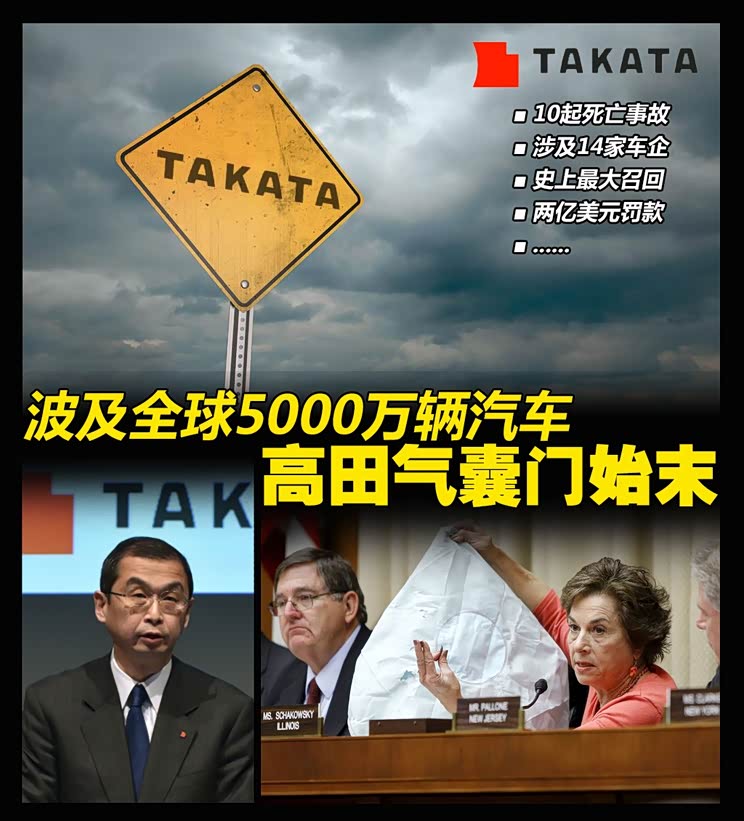
The whole story of Takada airbag doors affecting 50 million cars around the world
[car home News] Airbag is an important safety equipment to protect the driver and passengers in the car when the vehicle is abnormal. Since its birth, it has saved the lives of countless people. However, since the death of Takada airbag door in 2009, this original guardian angel has become a nightmare in the driver’s mind. The safety hazards of Takada airbags involve 14 automobile manufacturers and tens of millions of vehicles around the world, and even there have been a large number of recalls due to Takada airbags in the domestic market. Recently, it has been identified by a third party that the reason for the abnormal rupture of Takada airbag has come to the bottom. How did the Takada airbag problem, which has existed for nearly 10 years, develop from an individual incident to a global large-scale recall? Today, we will take you to sort out the Takada airbag door incident.
● Introduction of Takada Co., Ltd.:
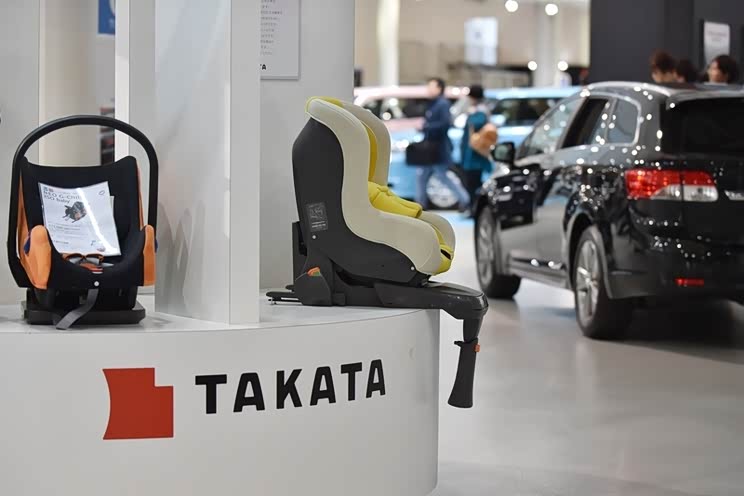
Takata Co., Ltd. was first established in 1933, and began to devote itself to the research and development of automobile safety system in 1950s. Established more than 80 years ago, Takada has developed from the early production of seat belts to the current production of three-point seat belts and steering wheels, and has developed a variety of current automotive safety systems such as double-bag airbags, airbag gas generators and child safety seats, and has become the second largest airbag supplier in the world (the first is Sweden Autoliv).
Takada is a supplier of parts to many automobile manufacturers around the world, including Toyota, Nissan, Mitsubishi, Mazda, Ford, General Motors, Mercedes-Benz, BMW, Audi, Volkswagen and other brands. It is worth mentioning that Honda is Takada’s largest customer, and the relationship between them has been more than 25 years. Honda also holds 1.2% of Takada’s shares.
● Review of Takada airbag door
◆ Cause of Takada airbag door
The cause of Takada airbag doors can be traced back to around 2000, when consumers complained to the National Highway Traffic Safety Administration (NHTSA) that the car airbags they drove would pop up metal fragments after deployment. However, it did not attract enough attention at that time. Honda only recalled 4,000 vehicles equipped with Takada airbags in November 2008, but six months after the recall, the first accident caused by airbags occurred.
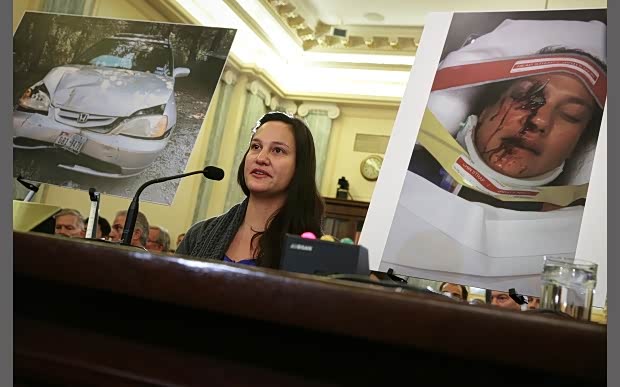
"The world’s first Takada airbag fatal accident"
On May 16th, 2009, an 18-year-old American girl, Ashley Paheim, had a traffic accident on the way to pick up her younger brother from school, and died after colliding with another car. After investigation, the cause of her death was that after the airbag protecting the driver’s safety was deployed, a metal piece popped out of it cut the carotid artery, causing her to die of massive blood loss, and the Honda Civic she was driving was equipped with airbags produced by Takada Company.
◆ Due to the increase in the number of deaths caused by Takada airbags, the United States intervened in the investigation
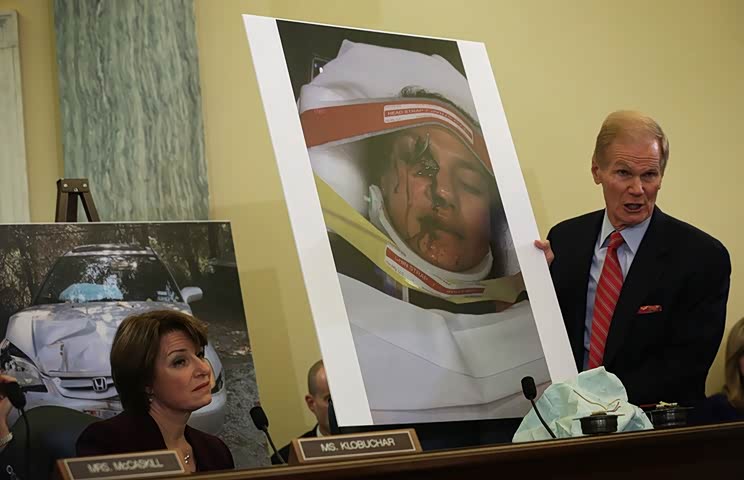
National Highway Traffic Safety Administration intervened in the investigation.
The case of driver’s death caused by Takada airbag explosion and the continuous occurrence of similar accidents have attracted the attention of the competent authorities in the United States. On October 20, 2014, the National Highway Traffic Safety Administration (NHTSA) announced that it would investigate 4.74 million vehicles due to possible defects in Takada airbags. On the 21st, NHTSA updated the information, and the total number of investigations was expanded to 6.1 million.
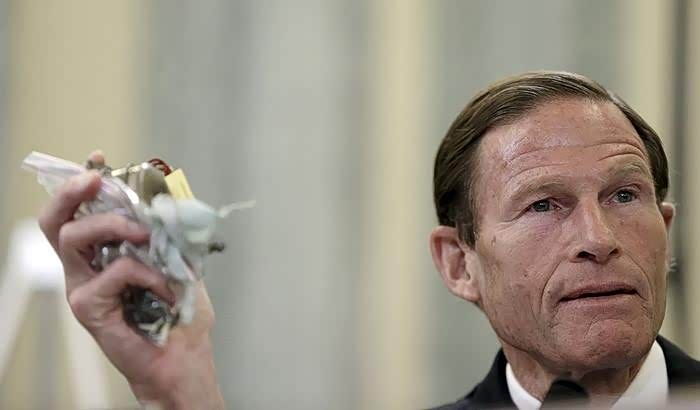
As of October 19, 2015, the National Highway Traffic Safety Administration (NHTSA) said at the public meeting of Takada’s faulty airbag recall that Takada’s faulty airbag explosion caused 8 deaths and 98 injuries in the United States.
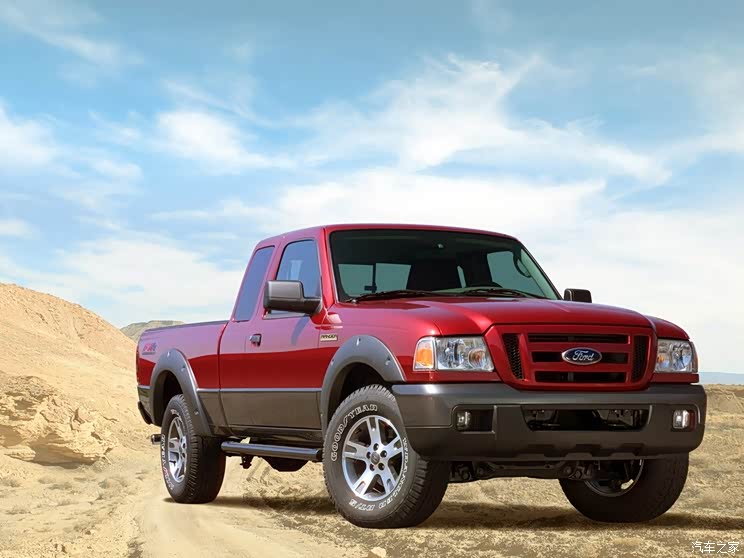
"06 Ford Ranger pickup truck"
Shortly after the publication of this report, the American media quickly confirmed the ninth and tenth accidents caused by Takada airbags. The driver of the tenth accident was driving a 06 Ford Ranger pickup truck, which was also the first non-Honda model to be killed by Takada airbags, which further expanded the enterprises and models affected by Takada airbags.
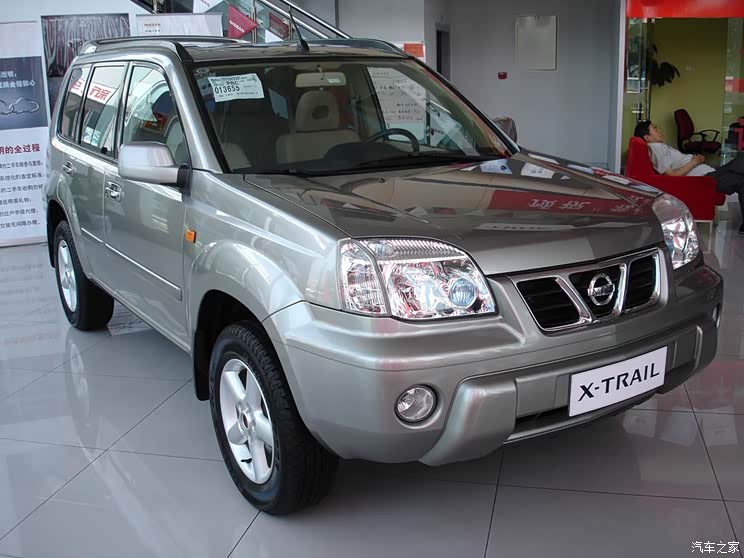
"Nissan Qijun"
At the same time, the accidents caused by Takada airbags have not only appeared in the American market. According to the Japanese Ministry of Land, Infrastructure, Transport and Tourism, there have been 14 abnormal rupture incidents of airbags produced by Takada in Japan since September 2011, the latest of which was a rear-end collision in Ito City, Shizuoka Prefecture, Japan on October 28, 2015, in which a woman sitting in the passenger seat of Nissan Qijun (X-TRAIL) was slightly injured in her forehead and left arm. After investigation by Nissan, the metal sheet on the gas generator used to inflate the airbag was taken out from the woman, and it was concluded that the cause of the injury was abnormal rupture of the airbag.
◆ The United States issued a ticket and issued a warning.
With the gradual deepening of the internal investigation of various car companies and the intervention of the National Highway Traffic Safety Administration, all the causes of the accidents point to the airbags produced by Takada, but Takada still has no clear statement on the cause of the accident and cannot prove that its airbags are safe.
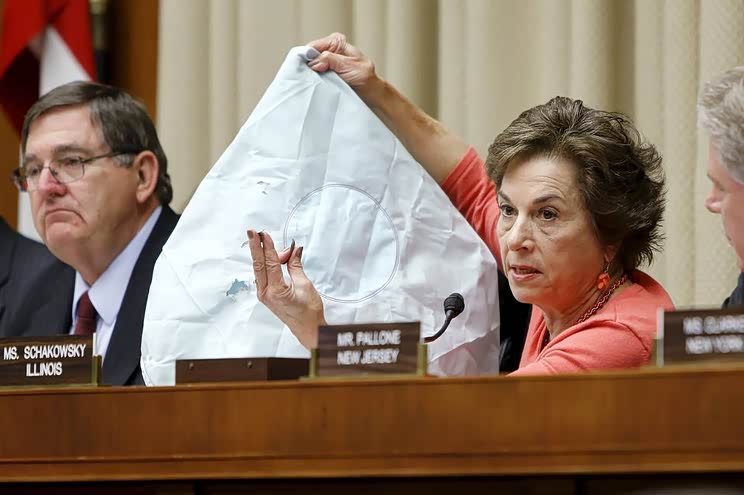
However, on October 3, 2015, the US Highway Traffic Safety Administration announced that Takada Company’s production and sale of defective airbags in the United States violated the US Motor Vehicle Safety Law and imposed a fine of US$ 200 million on the company. This is the largest civil fine in the history of NHTSA.
Of the $200 million fine, $70 million was paid in cash. If Takada fails to fulfill its promise or violates the relevant automobile safety laws, Takada will have to pay the remaining fine of $130 million.
◆ Takada publicly apologized.
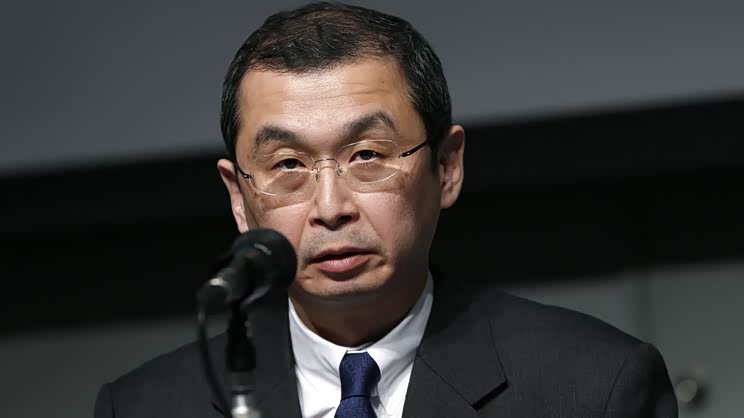
"Takada CEO Takada Chongjiu"
In May 2015, Takada publicly acknowledged for the first time that its airbags were defective, and announced that it would recall about 34 million hidden airbags in the United States. So far, this data made Takada airbag doors the largest car recall in American history.
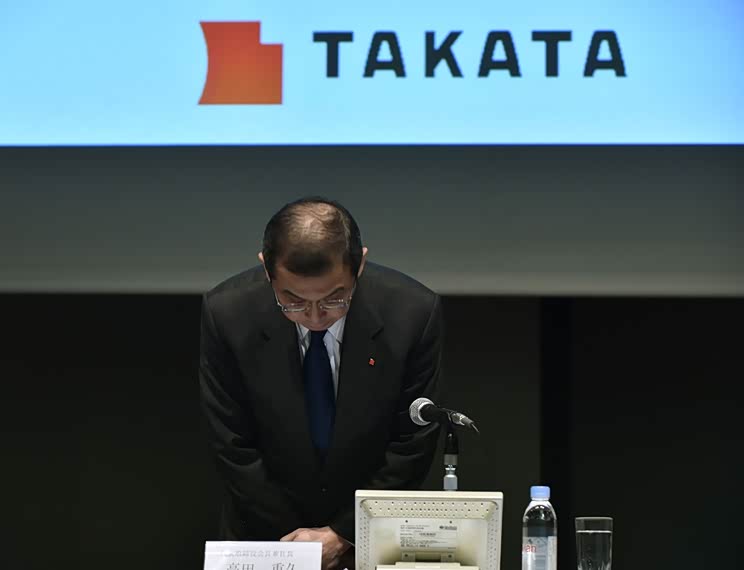
On November 4, 2015, Takada Company held a press conference in Tokyo to apologize to the public, and said that it would pay the fine of $70 million in six times before 2019. Takada Chairman and President Takada Chongjiu (grandson of Takada’s founder) said: "We deeply regret the adverse effects caused by Takada airbags. We will abide by all the terms and commit ourselves to solving the problem."
◆ The Japanese government urged the recall.
As a well-known Japanese company, the Takada airbag door incident affected not only its own company, but also Japanese car companies suffered huge losses in this airbag door because its products were mainly carried on most Japanese cars, even the Japanese government expressed dissatisfaction with Takada’s drag on Japanese car companies.
On November 6, 2015, Japan’s Ministry of Land, Infrastructure, Transport and Tourism issued a statement, putting forward clear requirements for all Japanese automakers, hoping that automakers would consider adopting products from other parts suppliers when replacing airbag components for recalled vehicles.
● What is wrong with airbags?
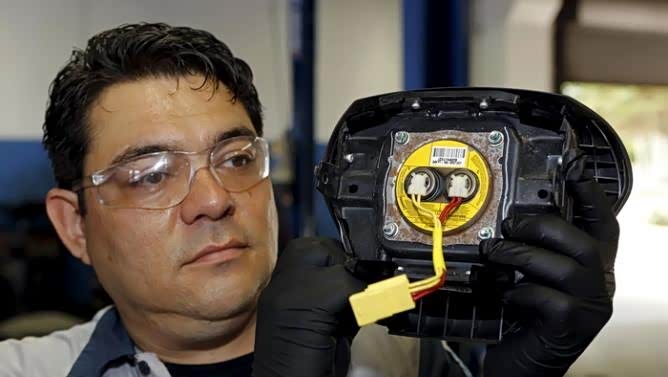
After many fatal cases around the world, Takada has not announced the specific reasons for its airbag problem. While asking Takada to recall the problem airbag, NHTSA also urged it to prove the safety of ammonium nitrate as a propellant for gas generators before 2019. If it cannot be proved, it is necessary to recall all gas generators using ammonium nitrate in the current market and replace them with brand-new generators.
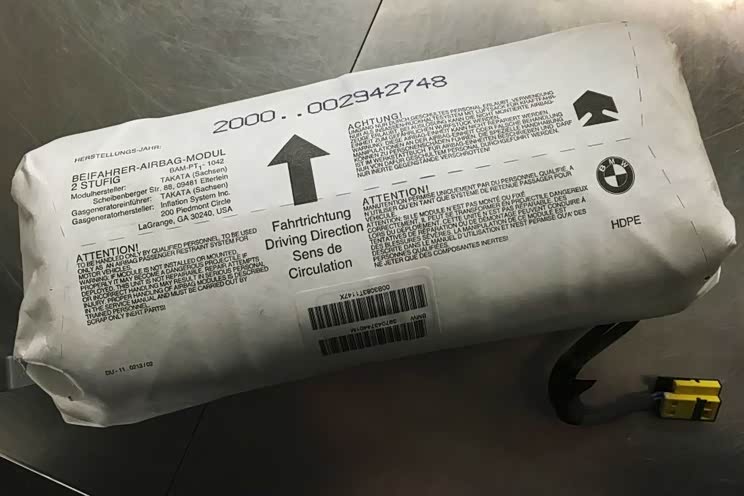
On February 26th, 2015, 10 automobile manufacturers, including BMW, Fiat Chrysler, Ford, General Motors, Honda, Mazda, Mitsubishi, Nissan, Subaru and Toyota, jointly entrusted Orbital ATK, a third-party company, to form an Independent Testing Coalition (ITC) to independently test Takada airbag booster pump involved in the recent recall event, so as to obtain the most accurate cause of the accident. Honda, which suffered the most, hired American science and technology consultants separately to investigate and study the airbag problem in Takada.
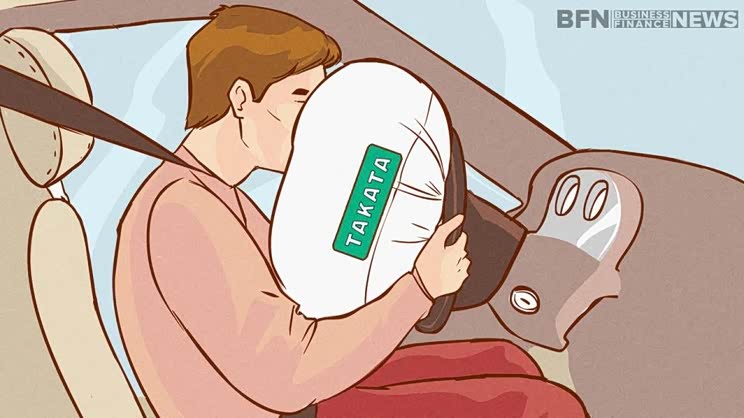
According to the latest news, ITC said that the identification of four airbags admitted by Takada has confirmed that there are defects in the assembly of Takada airbag gas generator, and the main problem comes from ammonium nitrate propellant in the airbag. One of the characteristics of ammonium nitrate is that it is easy to dissolve in water, absorb moisture and agglomerate. When the generator is exposed to high humidity for a long time, the ammonium nitrate propellant used in the gas generator will be destroyed. When the airbag is deployed in a collision, the explosion will eject the damaged parts together with the airbag, injuring the driver.
The head of ITC also said that the combination of the use of ammonium nitrate propellant, the assembly problem of Takada parts and exposure to high-humidity and hot areas eventually led to the easy rupture of the gas generator. At the same time, another feature of ammonium nitrate is its low cost. Compared with guanidine nitrate propellant used by other airbag manufacturers, ammonium nitrate used by Takada Company is only one of the synthetic raw materials of guanidine nitrate.
● The largest recall in history
The initial problem of Takada airbags began around 2000, but in the early days, only Honda recalled 4,000 models with airbag problems in 2008 due to insufficient attention. After 2009, with the deepening of the investigation, more and more enterprises announced the recall of their products, and the number even reached tens of millions.
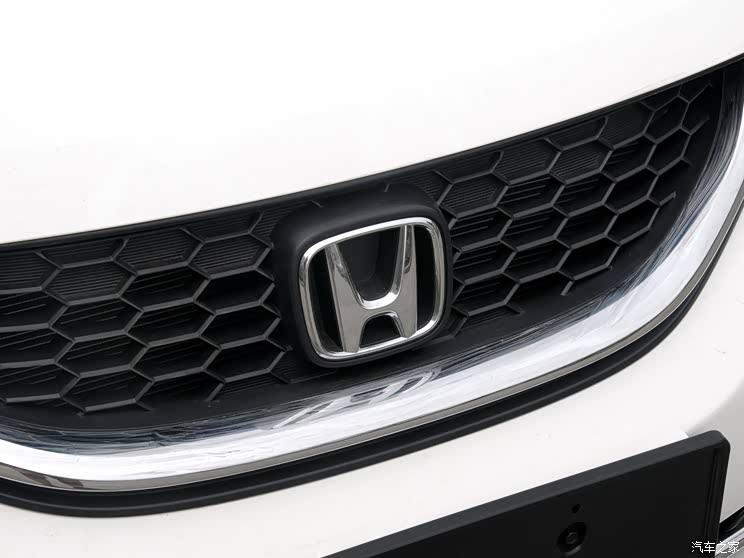
◆ Frequent overseas recalls
On July 29th, 2009, Honda recalled 510,000 Civic, Accord and Acura TL models from 2001 to 2002.
On February 9, 2010, Honda recalled 437,000 Acura and other Honda models (2001-2003 models) worldwide, expanding the scale on the basis of the original recall.
On December 1, 2011, Honda recalled 304,000 vehicles worldwide, because inferior inflators were installed on airbags, and another 613,000 vehicles may have defective replacement spare parts inflators.
On April 11, 2013, Toyota, Honda, Nissan and Mazda recalled 3.4 million vehicles worldwide, which used airbags produced by Takada.
On May 7, 2013, BMW recalled 220,000 vehicles worldwide, which used airbags produced by Takada.
On June 11th, 2014, Toyota recalled 2.27 million vehicles worldwide, and recalled 650,000 vehicles in Japan for the first time. This is also the first time that Takada airbags were recalled in Japan.
On June 23, 2014, Honda, Nissan and Mazda recalled 2.95 million vehicles worldwide, further expanding compared with the recall in April 2013, bringing the total number of recalls in the past five years to 10.5 million. Later, Honda, Toyota, Nissan, Mazda, BMW, Chrysler and Ford announced that they would also make additional recalls in high humidity areas in the United States.
On July 16, 2014, BMW recalled 1.6 million vehicles worldwide, and at the same time, Volkswagen began to recall some models due to Takada airbags.
On May 13th, 2015, Toyota announced a global recall of about 5 million vehicles equipped with Takada airbags, including 1.36 million vehicles in Japan, 1.27 million vehicles in Europe, 637,000 vehicles in the United States and 18,000 vehicles in Canada.
On May 13th, 2015, Nissan announced that it would recall 1.56 million Takada airbag vehicles around the world. Among them, 563,000 vehicles were recalled in Europe, 326,000 vehicles in North America, 288,000 vehicles in Japan and 274,000 vehicles in China.
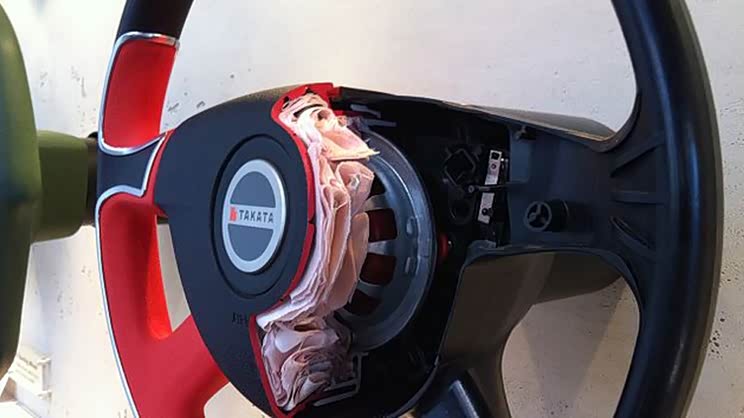
In May 2015, as Takada Company admitted that there were hidden dangers in its airbags, the company decided to recall 33.8 million hidden danger airbags.
In February 2016, with the confirmation of the tenth fatal case caused by Takada airbag, a new round of large-scale recall began again. This time, the enterprises involved included Ford, General Motors, Volkswagen, Audi, Mercedes-Benz and Saab.
The above are just some of the overseas recalls we have listed. At present, 32 million vehicles using Takada airbags have been recalled in the United States, and the total number of global vehicle recalls exceeds 50 million, which is the biggest recall in automobile history.
◆ Many domestic joint ventures have been implicated.

Old Honda Civic
Takada airbag doors have implicated many enterprises around the world, even the domestic market has not escaped. The earliest recall of Takada airbag was on July 1, 2010. Honda Technology Research Industry (China) Investment Co., Ltd. submitted a recall report to the General Administration of Quality Supervision, Inspection and Quarantine. Due to airbag defects, some imported versions of Civic and Stream of 2001 and 2002 will be recalled from July 19, 2010. According to the company’s statistics, there are 165 vehicles involved in Chinese mainland.



Subsequently, from August to December 2014, Nissan, Honda, Toyota and BMW successively submitted recall reports to the General Administration of Quality Supervision, Inspection and Quarantine, recalling Fit, Ailishen, Accord, paladin, Toule, Machi, Qijun, VIOS and 3 Series, involving 581,443 vehicles. This recall has also received the attention of the General Administration of Quality Supervision, Inspection and Quarantine. On December 22, 2014, the General Administration of Quality Supervision, Inspection and Quarantine issued a risk warning notice for some co-pilot airbags produced by Takada Company. In 2015, the large-scale recall of Takada airbags in China officially kicked off.
According to the statistics of General Administration of Quality Supervision, Inspection and Quarantine of China, in 2015, a total of 5,548,500 cars were recalled in China, among which more than 2.53 million Japanese cars were recalled due to Takada airbags. Since 2013, vehicles using Takada airbags have been recalled 47 times and 37 models in China market. In May and June 2015 alone, Japanese brands including Toyota, Nissan, Mitsubishi, Honda and Subaru issued 14 recall notices, involving 1.41 million vehicles.
In 2016, the recall of Takada airbags did not stop in China, and Volkswagen, Honda, Acura, Mitsubishi, Audi and Mazda successively recalled their models. Among them, Honda imported and recalled 50 Fit hybrid models; Dongfeng Honda recalled 533,350 vehicles; Guangqi Honda recalled some Fit, Fengfan and concept S1 models, totaling 382,090 vehicles.
● Takada company is in deep water.
◆ Huge stock losses, facing the acquisition or sale of equity.
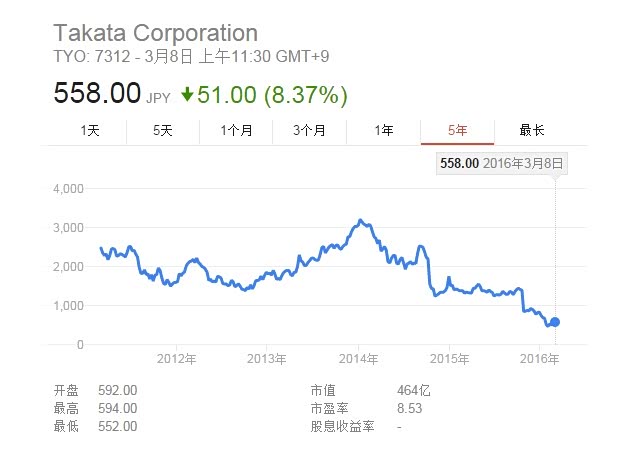
"Takada’s recent share price"
According to the 2014 financial report released by Takada, due to the recall, the company’s net loss in fiscal year 2014 was 26.9 billion yen (about 1.541 billion yuan), which was an increase on the basis of the loss in fiscal year 2013 of 21.1 billion yen (about 1.209 billion yuan). Some overseas analysts predict that Takada will need about 300 billion yen (about 17.189 billion yuan) to handle the airbag recall. It is very likely to face the danger of selling its equity to ease the crisis. In addition, some foreign media speculated that Takada, CEO of Takada Corporation, might be forced to step down due to the pressure of large-scale recall caused by airbag accidents.
◆ After the recall, Takada lost most of its customers, and competitors took advantage of it.
Due to the use of airbags produced by Takada, Honda, Toyota and other companies have to take out special funds to recall vehicles with hidden dangers, which is a very huge number for car companies. Honda alone spent 280 billion yen (about 16.043 billion yuan) on quality issues in fiscal year 2015.
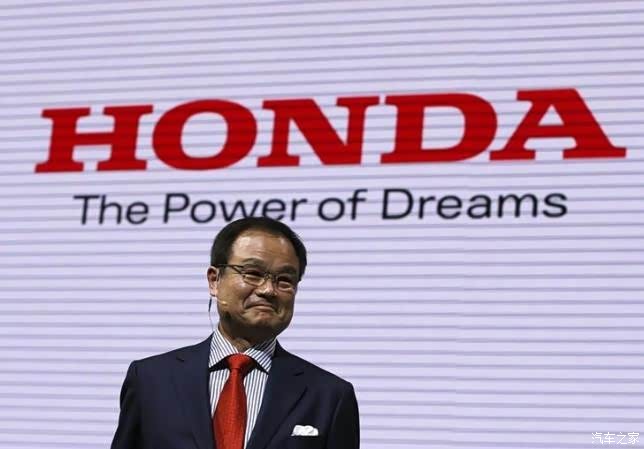
Takanobu ito, then president of Honda, expressed great dissatisfaction with Takada.
Takada Company has lost the trust of many car companies. It was revealed by relevant sources that takanobu ito, then president of Honda, was very dissatisfied with Takada and felt that Takada had "betrayed" him. He believed that Honda was one of the "victims" of this crisis. The newly appointed new president of Honda, Takahashi Hiroshi, also said that even if the company holds 1.2% of the shares of Takada, it will not provide any support and help to Takada. Then Honda became the first car company to announce that it will no longer use Takada airbags in the future.
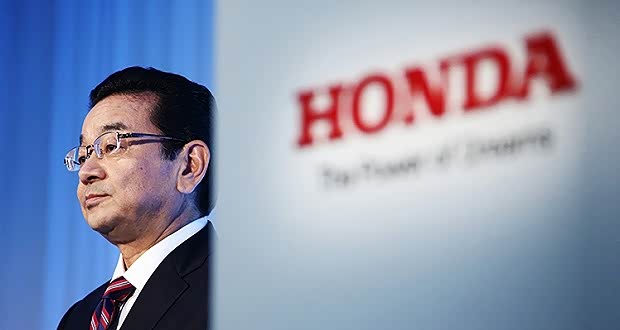
"Honda’s new president Takahashi Hiroshi announced that Honda will no longer use Takada airbags."
In November 2015, Honda officially issued a statement saying that after investigating the internal documents of Takada, it was found that the test data of some test airbags in Takada were fraudulent. In the future, all new cars to be launched under Honda and Acura brands will no longer use Takada airbag gas generators. After the news was announced, Takada’s share price plummeted by 13%.
The same fraudulent incident was also confirmed by Thomas Sheridan, a former airbag engineer of Takada Company, at the pre-trial hearing of a civil lawsuit. He claimed that Takada had produced a report for Honda in June 2000, which showed that there were problems with the parts, but the company concealed the test data and said that the company destroyed the defective parts, leaving no physical evidence. After Honda announced its "breakup" with Takada, Toyota, Nissan, Mazda and Ford also announced that their future products will not be equipped with airbags produced by Takada.
Honda, which chose to break up with Takada, soon announced that it would equip the new Accord produced in the United States with airbags produced by Daicel of Japan, and communicated with Autoliv of Sweden, the world’s largest airbag manufacturer. Toyota, on the other hand, chose Toyota Synthetic Co., Ltd., a subsidiary of the same group, to provide brand-new airbags.
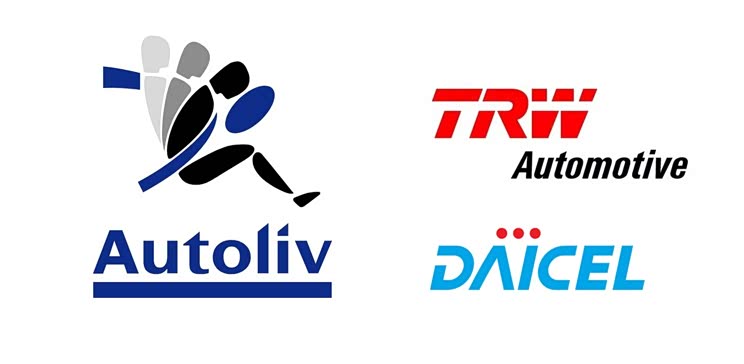
"Takada’s Three Competitors"
While Takada lost most of its important customers, its competitors have begun to nibble at its original market, and the local supplier system that Japanese companies have always been proud of has also suffered a certain impact. It’s more appropriate to use the phrase "taking the lead and moving the whole body" to describe it. Although this system can rely on mutual trust and loyalty to form a strong community of interests, once a major problem occurs in one party, the consequences are often incalculable. As Japanese companies such as Honda abandon Takada, this inherent system may be shaken.
In addition to Japanese Daicel Company and Toyota Synthetic Co., Ltd., Swedish Autoliv Company and American TRW Company have also become substitute suppliers for Takada airbags. In May 2015, Autoliv announced that due to the increased demand for airbag replacement parts caused by Takada’s expansion of the recall of defective airbags, the company will expand the production capacity of its own brand airbags to meet the needs of recalled vehicles.
Full text summary:The Takada airbag door, which has lasted for nearly 10 years, is far from over, and tens of millions of hidden vehicles are waiting to be recalled. The United States is still investigating other cases of accidents caused by airbags. If it is finally confirmed that Takada airbags are the cause, the scope of the recall will be further expanded. In the future, we will pay close attention to how Gaotian Company will face more than 50 million vehicles to be recalled, the lack of credibility and the lawsuits of possible car companies, what consequences this enterprise, which has been established for more than 80 years, will face, and how the incident will end.
At the same time, no matter which industry, product quality should be the top priority, and a little carelessness will cause irreparable consequences. 50 million cars mean 50 million lives behind them, which will hurt people’s trust and take people’s lives. Enterprises should have awe for the safety of users’ lives. The Takada airbag incident once again sounded a resounding alarm for the global production safety problem. At the same time, other airbag manufacturers such as Continental Germany are also facing the investigation of airbag products. The problems related to the safety of human life and production should be paid enough attention by the whole society, and at the same time, it also puts forward stricter requirements for parts manufacturers. As an automobile manufacturer, in the face of the global supply chain system, we should strictly demand quality assurance when selecting parts suppliers, reduce the benefits brought by costs, and cannot fill the hidden dangers buried by quality problems.
The Takada airbag incident has also spread to the domestic market. As the largest automobile consumption market in the world, there is still no industry standard for airbag production in China. As one of the important safety components in automobiles, we also call on the domestic automobile industry to formulate relevant regulations to ensure that this guardian angel is no longer a potential nightmare. (Text/car home Wuyuan)
Read more:
Lessons from Japan’s Takada airbag recall
http://shuoke.autohome.com.cn/article/25322.html